
You’re here because you’ve got customers asking about the good2go light up dog collar—or you’re using one yourself and want to know if it’s truly doing the job after dark. Fair. Night walking is where small gear flaws turn into big problems: a collar that dims too fast, a buckle that pops under tension, or a battery door that lets in water. This guide gives you a practical, shop-floor perspective on what matters, how to evaluate it, and what to offer when someone needs more than a basic LED collar.
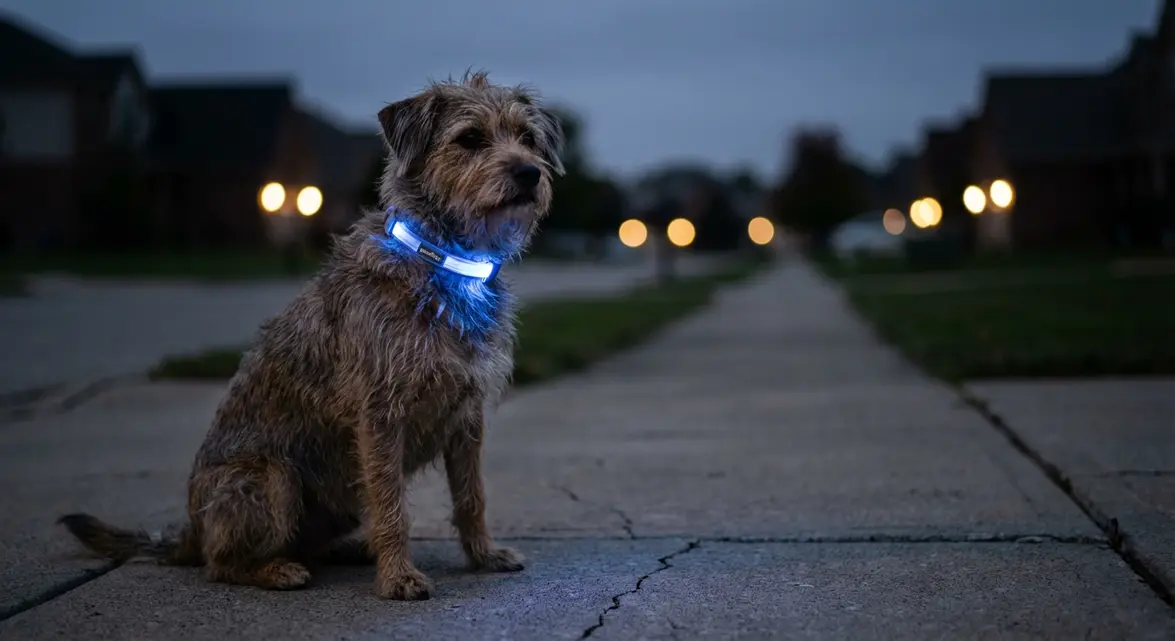
We’ll review the good2go light up dog collar like a safety item, not a novelty. That means visibility, durability, weather resistance, comfort, and real-world use—especially for strong pullers and wet-weather walkers.
What to Look for in a good2go light up dog collar (Before You Buy or Stock)
When a customer says they want a good2go light up dog collar, they usually mean one thing: “I want cars and cyclists to see my dog.” But visibility is only one part of the safety equation. Here’s the checklist we use when comparing light-up collars across retail and wholesale lines.
1) Brightness and visibility angle
The best good2go light up dog collar experience is when the light is visible from multiple angles—front, side, and behind—without needing the dog to be facing traffic. A collar can look bright in your hand and still disappear at street level if the light band is narrow or blocked by thick fur.
- Why it matters: Drivers don’t have time to “search” for a small point of light. You want a clear, moving light signature that reads as “animal + handler nearby.”
- In-store check: Dim the lights and view the collar from 10–20 yards at knee height. If it’s hard to track, it’s not strong enough for real road visibility.
2) Battery type and realistic run time
Battery life is where many good2go light up dog collar questions land. Customers might get a few great walks, then complain it “suddenly got weak.” That’s often normal discharge behavior, not a defect.
- Rechargeable vs. replaceable: Rechargeables are convenient and reduce waste, but they must be charged like a routine—especially in winter when cold temperatures reduce runtime.
- Realistic expectation: Continuous mode drains faster than flash. If a collar offers multiple modes, recommend flash for longer walks and higher perceived visibility.
- Pro tip for retail staff: Tell customers to charge the collar before it hits “empty.” Deep discharges shorten battery life over time.
3) Weather resistance (rain, snow, puddles)
People don’t stop walking because it’s drizzling. If a good2go light up dog collar can’t handle wet sidewalks or a dog that splashes through a puddle, it’s going to fail right when visibility is already reduced.
- Why it matters: Moisture intrusion causes flicker, corrosion, and dead buttons—often after the return window closes.
- What to ask suppliers: Look for an IP rating (like IP65 or IP67). IP67 generally means it can handle short submersion—useful if a dog ends up in a ditch or creek.
4) Closure strength and pull safety
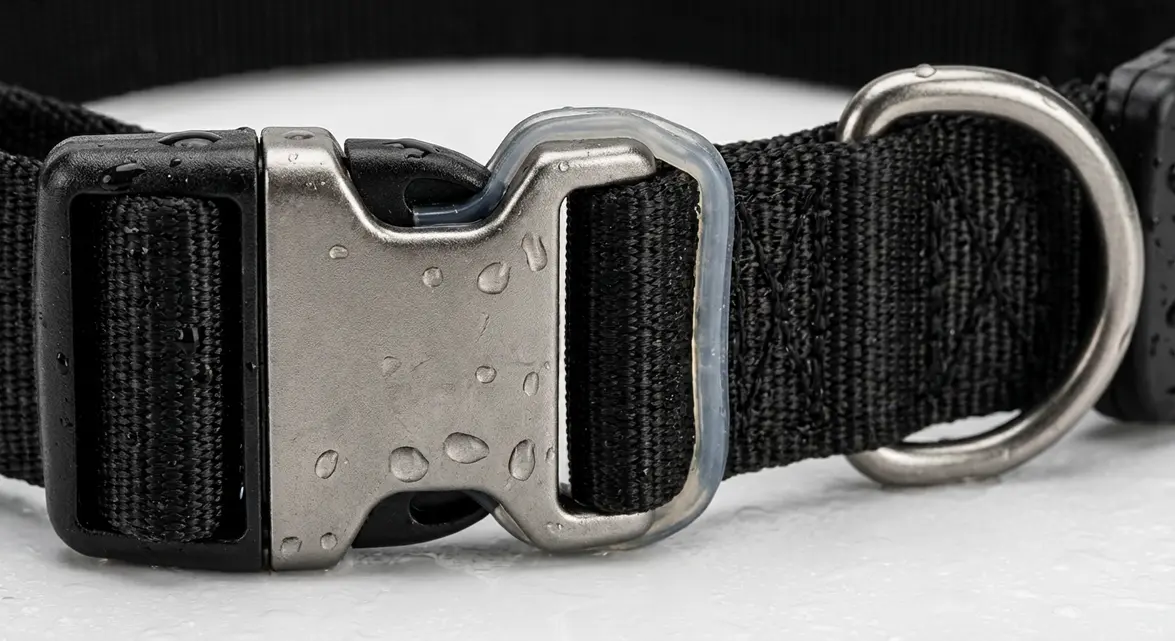
This is the part that gets overlooked when reviewing a good2go light up dog collar: a light-up collar is still a collar. If the buckle or D-ring isn’t built for load, it won’t matter how bright it is.
- Why it matters: A 70 lb Lab lunging at a squirrel can generate sudden, sharp force. Cheap plastic buckles can crack or pop open.
- What “good” looks like: A solid D-ring, thick strap material, and a buckle that locks without wiggle.
- Best practice: Consider a light-up collar for visibility and a separate, non-lighting walking collar or harness for leash attachment if the LED model isn’t designed for heavy pulling.
5) Fit and comfort (especially for fluffy coats)
A good2go light up dog collar that’s too tight can rub. Too loose and it rotates, so the light ends up under the neck. With long-haired dogs, light placement is everything.
- Why it matters: A collar that rides down into fur loses brightness fast, and the dog gets irritated—then the owner stops using it.
- Fit guidance: Two fingers under the collar, and make sure the light band is not buried in coat.
Good2Go Light Up Dog Collar Review: Practical Pros and Cons
Let’s talk straight about the good2go light up dog collar. It’s a popular entry-level option because it’s easy to find, priced for impulse purchase, and generally does what most casual walkers want: adds visibility.
What customers typically like
- Quick safety upgrade: For a customer who currently walks with no reflective or lit gear, a good2go light up dog collar is a meaningful improvement.
- Easy operation: One-button control is good for compliance—people actually use it.
- Noticeable light: In suburban neighborhoods, it often provides enough visibility for sidewalks and parks.
Common limitations to be honest about
- Brightness drop-off: Many LED collars look strongest right after charging (or with a fresh battery) and then gradually dim. That’s normal but surprises people.
- Water sensitivity: If the battery compartment and button aren’t well sealed, wet walks can cause flicker or early failure. That’s a key point for anyone evaluating a good2go light up dog collar in rainy regions.
- Not always a “leash collar”: If the strap and hardware aren’t built for force, it’s better treated as a visibility accessory rather than the main point of control.
Who it’s best for
We typically recommend the good2go light up dog collar for casual walkers, small-to-medium dogs, and customers who want a simple “better than nothing” safety add-on for short evening outings.
Who should consider an upgrade
If your customer walks near traffic, deals with heavy rain/snow, owns a strong puller, or does long night hikes, a good2go light up dog collar may not be enough by itself. This is where you can upsell responsibly: not with hype, but with safety.
How to Get More Safety Out of a good2go light up dog collar
Even if the good2go light up dog collar is the collar they already bought, you can help them use it better. These are the tips that reduce complaints and improve outcomes.
Use a “two-layer” visibility setup
Collars are great for making the dog visible. But visibility works best in layers:
- Collar light: The good2go light up dog collar adds a moving beacon at dog height.
- Reflective harness or vest: Reflective surfaces catch headlights from farther away.
- Handler visibility: A clip light or reflective belt helps drivers recognize there’s a person attached to the dog.
Choose flash mode when appropriate
Flashing is not just about battery life. It’s about attention. A steady light can blend into streetlights; a flash pattern reads as “something moving.” Many customers using a good2go light up dog collar will get better results on a flash setting, especially in busy areas.
Keep it clean and dry at the seams
After wet walks, wipe the collar down. Pay attention to the button and charging port area. Most failures blamed on a good2go light up dog collar are moisture-related over time, not a single dramatic dunk.
Don’t rely on the collar as your only control point
If the dog is reactive or powerful, pair the good2go light up dog collar with a well-fitted walking harness and a strong leash attachment. Safety is visibility + control. You need both.
Premium LED Alternatives: When a good2go light up dog collar Isn’t Enough
Some customers start with a good2go light up dog collar and then come back asking for something brighter, tougher, or more weatherproof. This is where premium LED safety gear makes sense—especially for shops serving working dogs, hiking communities, or urban night walkers.
What “premium” should mean (not fancy packaging)
- Better sealing: Higher water resistance so the collar keeps working through storms and snow melt.
- Stronger materials: Nylon webbing that won’t stretch out and hardware that won’t bend when a dog lunges.
- More consistent brightness: Light output that stays visible through the full charge cycle.
- Serviceability: Clear charging method, durable port cover, and consistent build quality across batches—important for wholesale buyers.
How to position alternatives without trashing the Good2Go
Be straightforward: the good2go light up dog collar is a solid entry option for many homes. The upgrade conversation is about use case. More traffic, more weather, more distance, bigger dogs—those conditions ask for stronger specs.
Wholesale perspective: reduce returns and increase repeat buyers
If you’re a retailer, the good2go light up dog collar can be a good “first safety purchase.” But you’ll protect your margins by also carrying an upgraded option that handles hard use. Customers who walk nightly will pay for reliability, especially if you explain it like a safety decision, not a fashion one.
Frequently Asked Questions
Is the good2go light up dog collar bright enough for road walking?
For many neighborhoods, yes—especially for short walks. If your route includes fast traffic, poor lighting, or bad weather, pair the good2go light up dog collar with reflective gear and consider a higher-output LED option.
How do I make the good2go light up dog collar last longer between charges?
Use flash mode, charge it before it fully dies, and store it at room temperature. Cold nights reduce runtime, so the good2go light up dog collar may need more frequent charging in winter.
Can I attach a leash to the good2go light up dog collar?
It depends on the build. If your dog pulls hard, treat the good2go light up dog collar as a visibility accessory and attach your leash to a stronger walking collar or harness for control.
What’s better: a light-up collar or reflective collar?
They do different jobs. A good2go light up dog collar creates active visibility (it emits light). Reflective gear returns car headlights and can be seen from farther away. Using both is the best setup.
🚀 Ready to Upgrade Your Pet Safety Gear?
Thank you for reading our guide.
- 🔹 Looking for bulk pricing? Contact our Wholesale Team
- 🔹 Want to see more? Return to Homepage